Veal: Try this Versatile, Tender & Lean Protein
Veal is versatile and easy to prepare. As a lean meat, the most important part of cooking veal is making sure that it remains tender and juicy. Catelli Brothers Milk-Fed and Grain-Fed Veal are Halal.
.webp?language=en)
Storing Veal
To keep veal safe to eat, you must store it properly prior to cooking. According to the USDA, fresh Veal should be kept refrigerated at 40°F or below. Chops and roasts should be cooked within three to five days of purchase, and ground veal or stew meat should be cooked within one or two days. Frozen veal can be kept safe indefinitely but should be cooked within six months for best quality.
Cooking Veal
We recommend cooking most veal cuts to medium (150ºF) for a tender, juicy and flavorful finish. A good meat thermometer will ensure that the meat is properly cooked.
Veal can be cooked from frozen or thawed, but partial or complete thawing is recommended to keep the thicker pieces juicy.
If you need some inspiration, browse our Recipes to find the perfect veal dish.
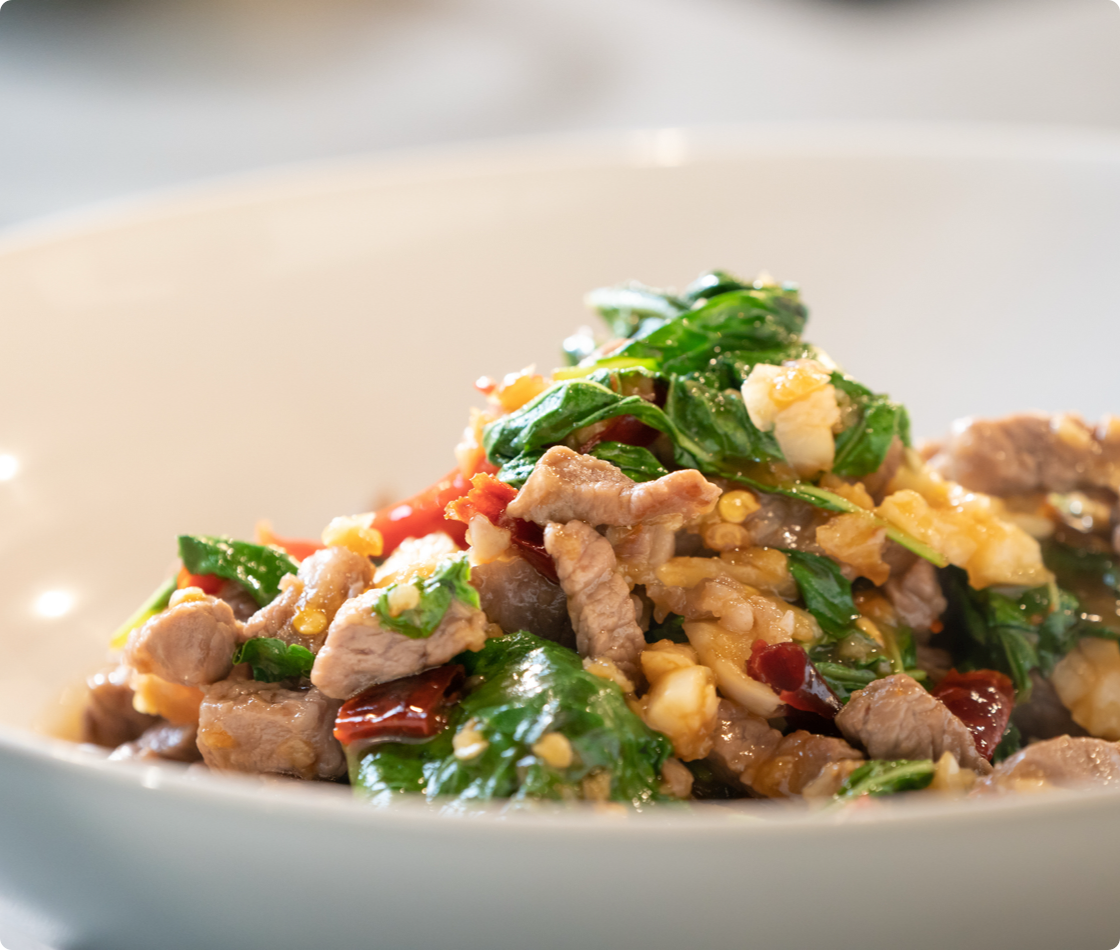
How to Cook Veal
Cooking Method | Suggested Cuts |
Braising | Boneless Breast, Boneless Shoulder Roast, Osso Buco, Round or Blade Bone Chop, Short Ribs |
Broiling | Loin Chop, Rib Chop, Shoulder Chop |
Grilling | Burger, Kabob, Loin Chop, Medallion, Rib Chop, Shoulder Chop |
Roasting | Loin Roast, Rack, Short Ribs, Shoulder Roast |
Sautéing | Cube Steak, Cutlet, Ground Veal |
Stewing | Stew Cubes |
Stir-Frying | Cube Steak, Cutlet, Ground Veal |
.webp?language=en)
Veal Nutrition: Light on Calories, Big on Benefits
Put simply, veal is a lean, nutritional power source. Recent USDA data reveals that a 3 oz. serving of cooked, trimmed veal provides less than 10% of the calories recommended for a 2,000-calorie diet.
Veal is nutrient dense, and it delivers more than 10% of the daily values for protein, zinc and niacin, as well as vitamins B-12 and B-6.
- Protein is necessary for muscle growth, repair and strength
- B-vitamins help increase energy levels and proper brain development and functioning
- Zinc maintains immune function and plays a key role in growth and cognitive development
Veal Nutritional Profile*
Percent of Standard for Recommended Dietary Intake (US RDA)
Calories | 170 | 8% |
Total Fat | 5.6g | 8% |
Cholesterol | 100mg | 33% |
Sodium | 76mg | 3% |
Protein | 27g | 2% |
Iron | 1.0mg | 6% |
Zinc | 4.3mg | 29% |
Thiamin | 0.05mg | 3% |
Niacin | 7.2mg | 36% |
B-12 | 1.4mg | 23% |
B-6 | 0.26mg | 15% |
* This chart is a profile of veal’s nutrient content for a 3 oz. cooked, trimmed serving. Percentages of the recommended dietary intake are based on a 2,000-calorie diet. Composite of all retail cuts.
Sources: For more information about veal go to Veal.org
USDA, Cattlemen’s Beef Board, National Cattlemen’s Beef Association